1st Grade Related Addition and Subtraction Worksheet: If, Then
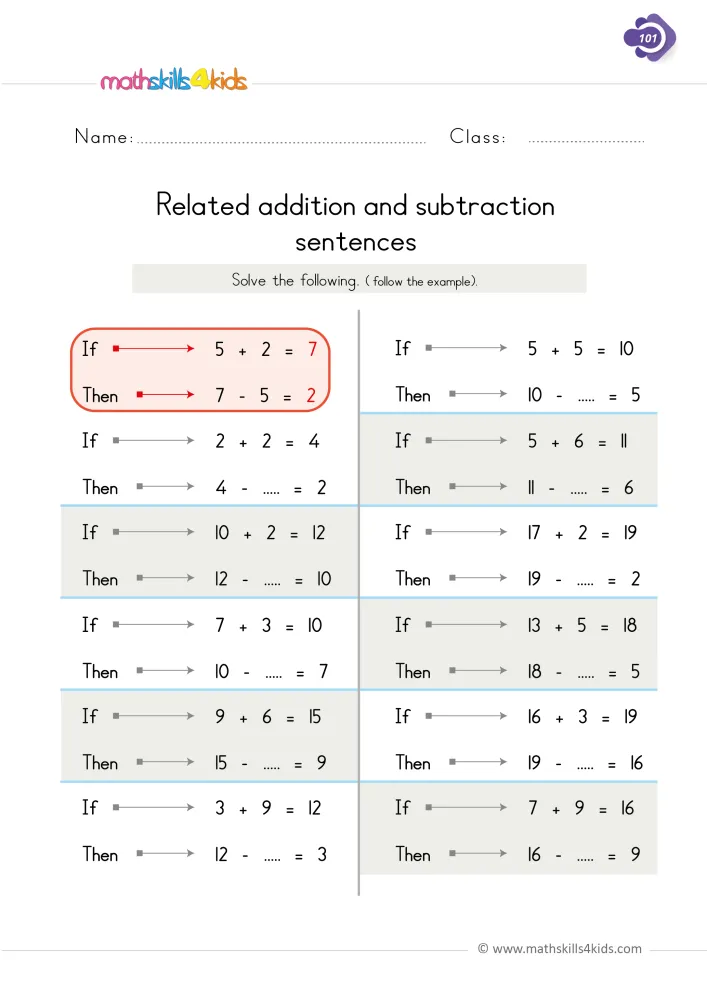
Ask a six-year-old what 7 + 3 makes and the answer comes quickly. Ask what 10 take away 3 is, and the same child may start counting backward on their fingers, as if it were a new question. This 1st grade related addition and subtraction worksheet shows them it is not. Each of the twelve pairs reads like a sentence: If 9 + 6 = 15, Then 15 - __ = 9. The first pair, circled in red, is the example: If 5 + 2 = 7, Then 7 - 5 = 2. Your child fills the dotted blank in each Then line, using numbers within 20. A girl in a pink dress stands beside the title. A second page gives the answer key.
Why every addition hides a subtraction
Addition and subtraction are inverse operations: one puts parts together, the other takes a part away from the whole. A child who sees this needs to learn only half as many facts.
The If and Then layout makes the link visible. The addition on top gives all three numbers, so the related subtraction below uses the same ones in a new order. For example, If 7 + 3 = 10, Then 10 - 3 = 7.
The page also mixes the blank's job. In many pairs, the missing number is the second number of the addition, such as the 6 in 9 + 6. However, in the pairs for 17 + 2 and 13 + 5, the blank needs the first one. So your child has to think, not just copy a position.
At the table: If 17 + 2 = 19
Start with the example. Ask your child to point to the 5 and the 2 in both lines. "Which numbers moved, and which stayed the same?"
The pair If 17 + 2 = 19, Then 19 - __ = 2 is the likely slip. A child who has filled several blanks with the second number may write 2 again. Instead of correcting, read the finished line aloud: "19 take away 2 is 2?" Let your child hear that it does not sound right.
Then ask, "Which number from the top line is missing here?" The pair for 13 + 5 works the same way. Finding the pattern break alone is a real moment of reasoning.
Ducks out, ducks home
Inverse facts come alive when you do both directions with the same things. At the table, put nine spoons in a row, add three more, then take the three away again and ask what you have. While you sort laundry, make a pile of socks, add a few, and remove the same few.
Also, in the song Five Little Ducks, one fewer duck comes back each time, until mother duck calls and all five return. So pause and ask, "How many went out? How many came back?"
These small games keep facts within 20 connected. Finally, check the page with the answer key and name the effort: "You read each If line before you filled the Then."
About this 1st grade related addition and subtraction worksheet PDF
Download the worksheet: 1st Grade Related Addition and Subtraction Worksheet: If, Then
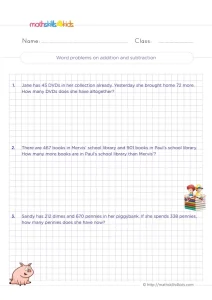 Worksheet3rd Grade Addition and Subtraction Problems: 3 Stories
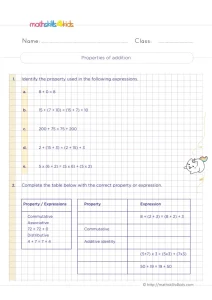 Worksheet3rd Grade Addition Properties Worksheet: Commutative, Associative, Identity
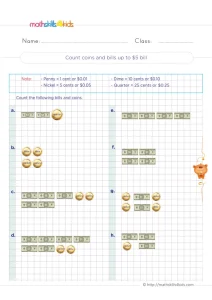 Worksheet3rd Grade Count Coins and Bills Worksheet: 8 Money Totals
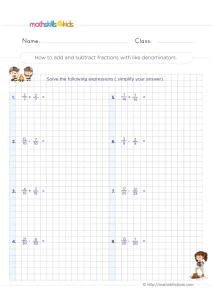 Worksheet3rd Grade Adding and Subtracting Like Fractions Worksheet: Eight Sums
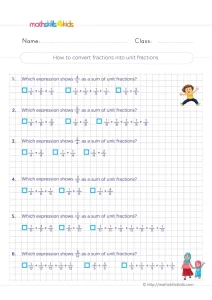 Worksheet3rd Grade Writing Fractions as Unit Fraction Sums Worksheet: Tick One
A few related activities
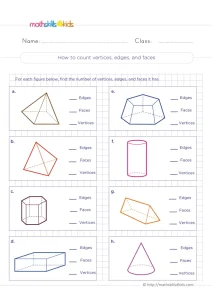 Eight drawn solids, from a square pyramid to a hexagonal prism and a cone. Count the edges, faces…See the activity3rd Grade Multiplication Worksheet: Find Products Using Properties
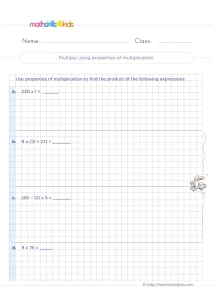 Work out four products, from 230 x 1 to 9 x 75, with the identity, distributive and commutative…See the activity3rd Grade Naming Solid Figures Worksheet: Prisms, Pyramids and More
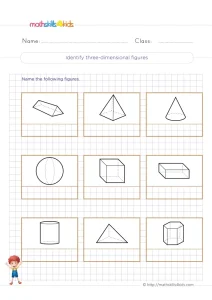 Nine drawn solids to name, from a cube and a cone to a hexagonal prism and a triangular…See the activity
