Animal and Plant Parts: How Living Things Survive
A turtle has a hard shell, a rabbit has long ears and a plant has roots. Every part of a living thing has a job. Let’s find out how body parts help animals and plants stay safe, find food and water, and sense the world around them.
This lesson takes about 15 minutes. You can take a break after each part.
Before you start
Learning objectives
- I can name body parts that help animals and plants stay safe.
- I can explain how roots, leaves and beaks help living things get water and food.
- I can name body parts that help animals see, hear and feel.
- I can give an example of an object people made by copying nature.
Staying safe
Body parts that protect
Many animals have parts that keep them safe. A turtle has a hard shell. A hedgehog has sharp spines and rolls into a ball.
Plants protect themselves too
A plant cannot run away. A rose bush has thorns and a cactus has spines: animals that try to eat them get pricked. Tree bark protects the trunk.
Loading the questions…
Getting food and water
Plant parts
The roots of a plant take in water from the soil and hold the plant in place. The leaves need light, so they turn toward it.
Animal parts
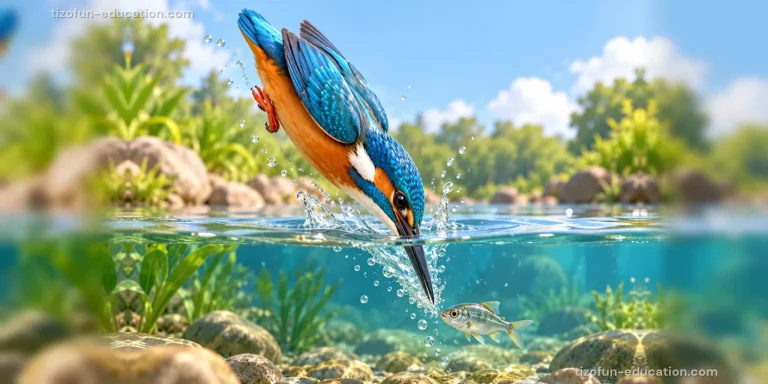
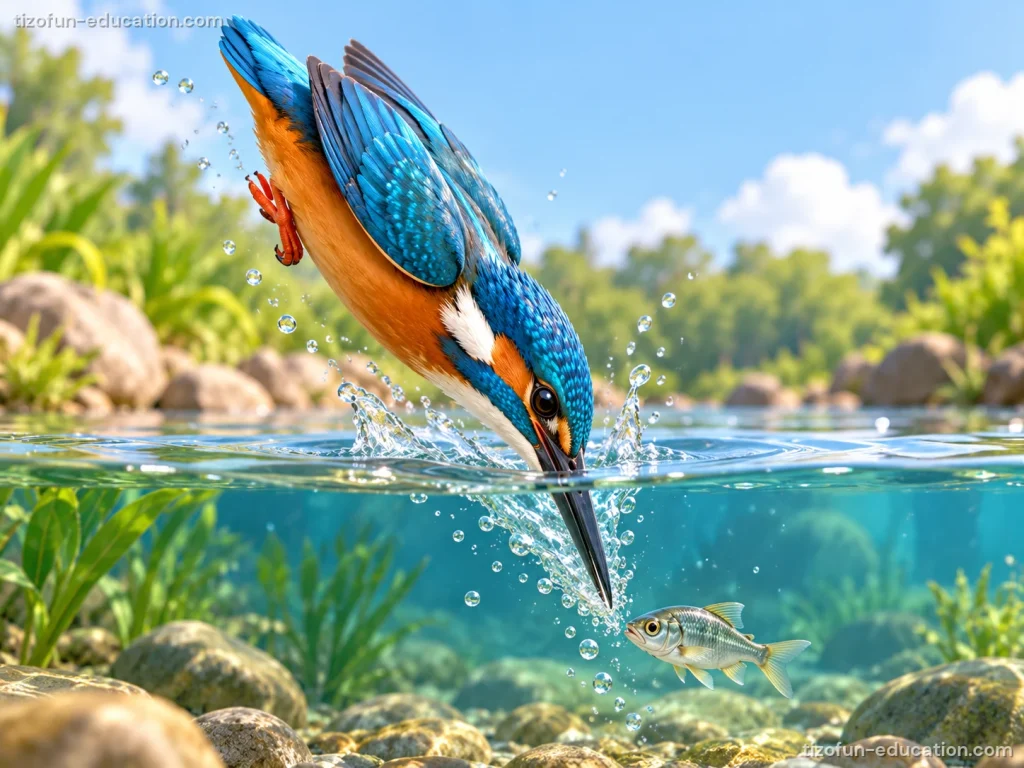
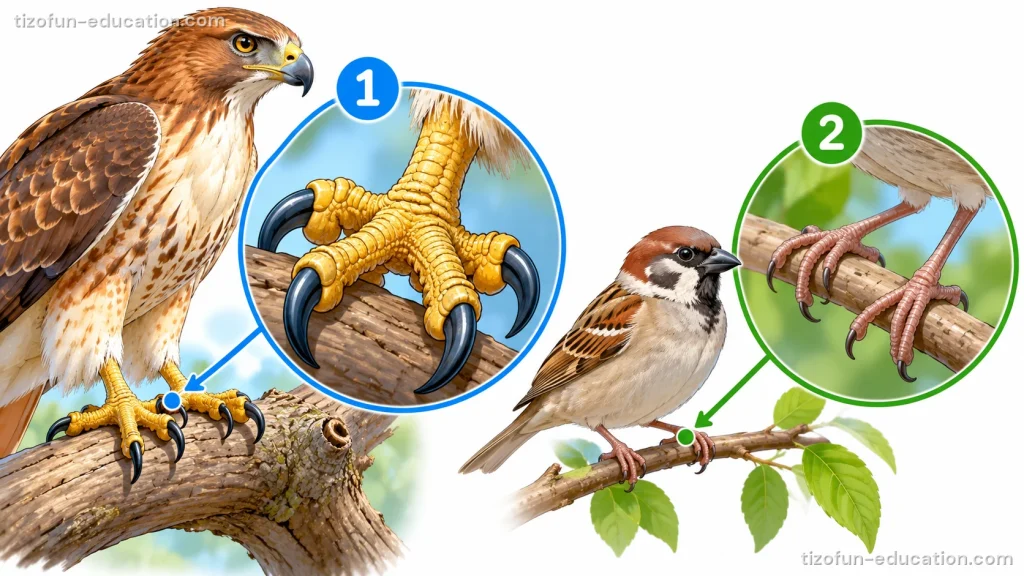
Animals use their body parts to eat. A bird has no hands and no teeth: its beak cracks seeds or catches insects.
Loading the questions…
Seeing, hearing and feeling
Eyes and ears
Animals use their eyes and ears to find food and to notice danger. A rabbit’s long ears hear a fox far away. An owl’s big eyes see in the dark.
Feeling the way
A cat’s whiskers feel the smallest touch. They help the cat know if it can fit through a gap, even in the dark.
Loading the questions…
Copying nature
Ideas from nature
People look at animals and plants to get ideas. Swim fins copy the webbed feet of a duck. A bike helmet is hard, like a turtle shell.
The burdock and the strap
Burdock seeds have tiny hooks that stick to fur. This idea gave us the hook-and-loop strap on shoes and bags.
Loading the questions…
Review game
Final assessment
To master the lesson, you need at least 60% correct answers.
Loading the assessment…
Summary
- A shell, spines or thorns help animals and plants stay safe.
- Roots take in water, leaves turn toward the light, and a beak helps a bird eat.
- Eyes, ears and whiskers help animals find food and notice danger.
- An animal does not choose its body parts: it is born with them.
- People copy nature to make objects, like swim fins and helmets.
A few related activities
 GameAnimal and Plant Parts: How Living Things Survive — Review gameReview game for the lesson “Animal and Plant Parts: How Living Things Survive”: 10 questions drawn at random…See the activity
 LessonSound and Light: Vibrations, Shadows and MirrorsA drum, a bell and your voice all make sounds. A window lets light in, but a wall…See the activity
 LessonLike Their Parents, but Not Exactly: Young Plants and AnimalsA puppy grows up to be a dog, and a sunflower seed grows into a sunflower. Young plants…See the activity
