Animal Parents and Their Babies: How the Young Stay Alive
A robin feeds its chicks, a kangaroo carries its baby in a pouch, and a lamb calls its mother when it is lost. Many animal parents and their babies do things that help the young stay alive. Let’s find out how they feed, protect, call and teach their young.
This lesson takes about 15 minutes. You can take a break after each part.
Before you start

Learning objectives
- I can tell how animal parents feed their young.
- I can give examples of parents protecting their babies.
- I can explain why babies call and how parents answer.
- I can tell how young animals learn by following their parents, and that some babies grow up alone.
Feeding the young
Bringing food
Many baby birds cannot find food yet. Their parents fly back and forth to the nest with worms and insects. The chicks open their beaks wide and chirp to say they are hungry.
Drinking milk
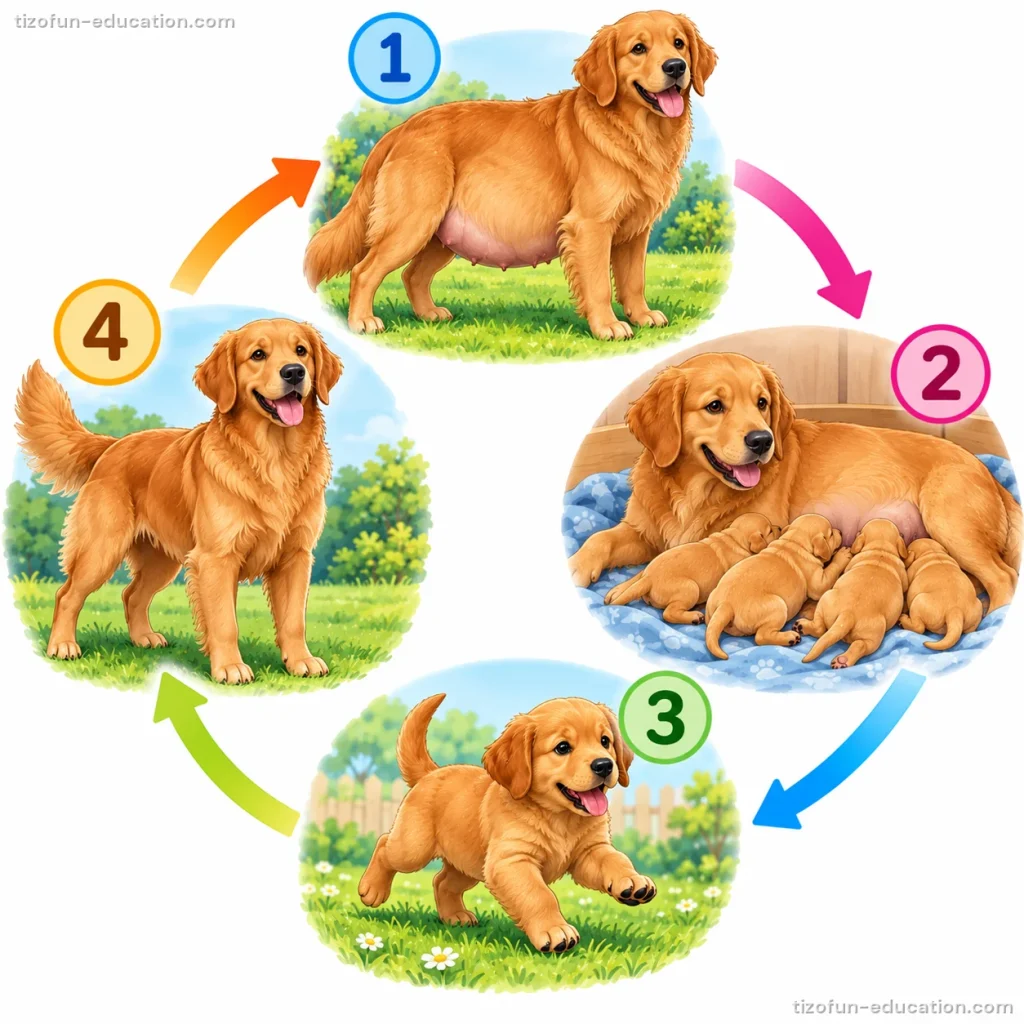
Kittens, puppies and calves drink their mother’s milk. Later, when they are bigger, they can eat other food.
Loading the questions…
Keeping babies safe
A safe place
A baby kangaroo grows in its mother’s pouch. An emperor penguin father keeps the egg warm on his feet, under his belly.
Standing guard
When danger comes, adult elephants stand in a circle around the baby. A mother crocodile gently carries her babies in her mouth to the water.

Loading the questions…
Calling and answering
Babies call
A baby animal cries or calls when it is hungry, cold, scared or lost. A lamb bleats, and its mother knows its voice among all the others.
Parents call too
A hen clucks to call her chicks. They run to her to eat or to hide under her wings.
Loading the questions…
Growing up and learning
Follow and copy
Ducklings walk in a line behind their mother: they follow her to find food and stay safe. Lion cubs watch the adults and play at chasing to learn how to hunt.
Some babies are on their own
Not all babies are looked after. A mother sea turtle lays her eggs in the sand and goes back to the sea. The babies hatch alone and crawl to the sea by themselves.
Loading the questions…
Review game
Final assessment
To master the lesson, you need at least 60% correct answers.
Loading the assessment…
Summary
- Many parents feed their young, and babies chirp or call to ask for food.
- Parents protect their babies: a pouch, a warm belly, a circle of adults.
- Babies call when they need help, and parents answer.
- Young animals learn by following and copying their parents.
- Some babies, like sea turtles, grow up alone.
A few related activities
 GameAnimal Parents and Their Babies: How the Young Stay Alive — Review gameReview game for the lesson “Animal Parents and Their Babies: How the Young Stay Alive”: 10 questions drawn…See the activity
 LessonSun, Moon and Stars: Patterns in the SkyEvery morning the Sun comes up, and every evening it goes down. At night, the Moon and the…See the activity
 LessonSound and Light: Vibrations, Shadows and MirrorsA drum, a bell and your voice all make sounds. A window lets light in, but a wall…See the activity
