Think Like an Engineer: Solve a Problem
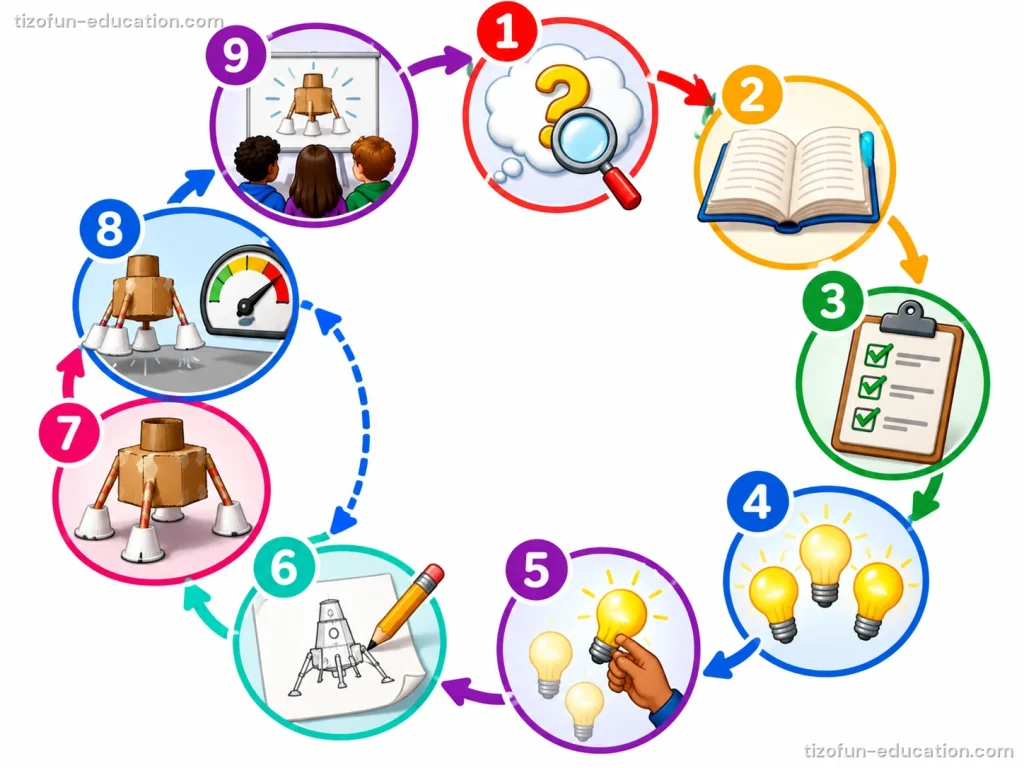
A cup that falls, pencils that roll away, a bridge that breaks: every day, people meet small problems. Engineers solve them by making new objects, or by making old ones better. Let’s learn their steps: find the problem, draw an idea, then test and compare.
This lesson takes about 10 minutes. You can take a break after each part.
Before you start
Learning objectives
- I can say clearly what a problem is, after looking and asking questions.
- I can draw a sketch and tell how the shape of an object helps it work.
- I can test two solutions the same way and compare the results.
What is the problem?
Look, ask, then say the problem
An engineer solves problems by making new objects, or by making objects better. First, she looks closely and asks questions: what goes wrong, when, and why?
Then she says the problem in one clear sentence.
Loading the questions…
Draw your idea
A sketch shows the shape
Next, engineers draw a sketch: a simple drawing of their idea. It shows the shape of the object and its parts.
The shape helps an object work. A spoon is hollow to hold soup. A shovel is wide and curved to scoop sand.
Loading the questions…
Test and compare
Two solutions, one fair test
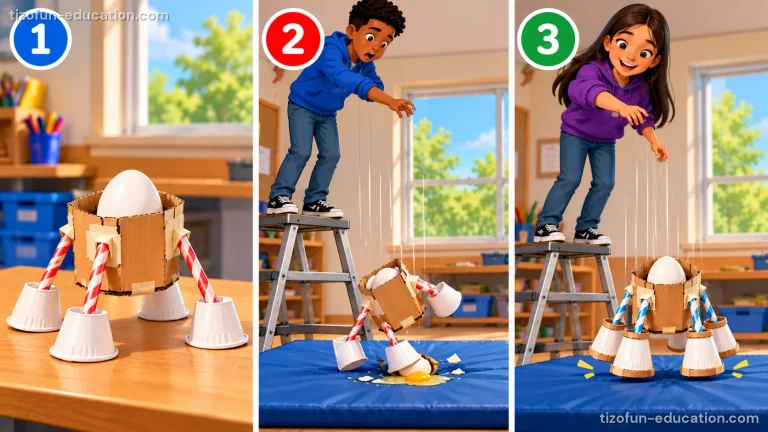
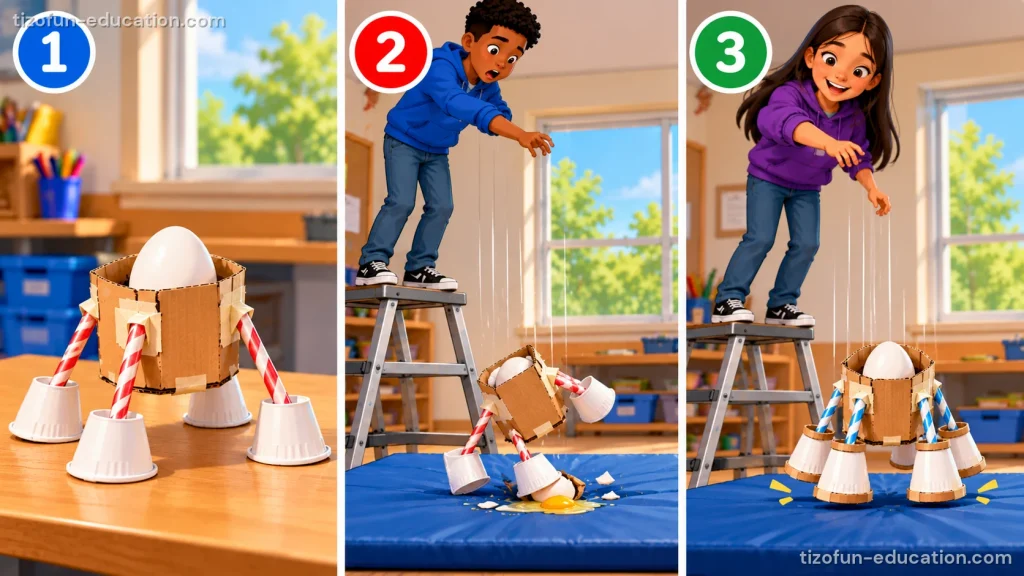
Engineers often build two solutions to the same problem. Then they test both of them, in the same way: this is a fair test.
They count or measure the results. Each solution has strengths and weaknesses: they choose the one that solves the problem best.
Loading the questions…
Review game
Final assessment
To master the lesson, you need at least 60% correct answers.
Loading the assessment…
Summary
- An engineer first observes, asks questions and says the problem clearly.
- A sketch shows the shape and the parts of an idea.
- The shape of an object helps it work, like the hollow part of a spoon.
- We test two solutions the same way, compare the results, and keep the one that solves the problem.
A few related activities
 GameThink Like an Engineer: Solve a Problem — Review gameReview game for the lesson “Think Like an Engineer: Solve a Problem”: 8 questions drawn at random every…See the activity
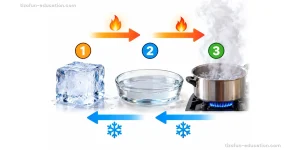 LessonSolids, Liquids, Heating, and CoolingA spoon keeps its shape. Milk flows. What happens to things when they get warm or cold? Let's…See the activity
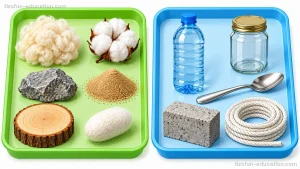 LessonProperties of Materials: Choosing the Right MaterialA chair, a window and a shoe are made of different materials: wood, glass, metal, cloth, plastic. Each…See the activity
