2nd Grade Rods and Cubes Addition Worksheet: Add a One-Digit Number
Give a seven-year-old six rods of ten and three loose cubes, then hand over five more cubes, and watch where the new cubes go. Most children slide them next to the loose ones without thinking, and that instinct is the heart of place value. This 2nd grade rods and cubes addition worksheet draws the same scene six times. Each box shows a two-digit number in rods and cubes, with a one-digit number in cubes beside it: 63 + 5, 47 + 2, 22 + 1, 11 + 5 and two more. Your child reads the model, adds, and writes the sum on the line. A second page gives the answer key.
Why rods and cubes make sense of addition
A rod of ten and a single cube sit side by side on the page, yet they mean very different amounts. Working with rods and cubes shows children that a two-digit number is made of tens and ones, not just two digits side by side.
When you add a one-digit number, the new cubes join the ones first. For example, in 47 + 2 the four rods stay put, and two cubes join the seven. So the sum keeps its 4 tens and reaches 9 ones.
That picture also prepares the next step. Whenever the loose cubes pass nine, ten of them can become a new rod. Your child sees why the tens digit can change, long before any written rule. Models make it concrete.
At the table: reading each model
Start with 63 + 5. Ask, "How many rods? How many loose cubes?" Six rods and three cubes make 63, and five more cubes follow.
The most common slip is counting a rod as one. A child who sees six rods and three cubes may say nine. Point to one rod and ask how many cubes it holds, and let your child count by tens: 10, 20, 30.
Watch 22 + 1 and 11 + 5 too. They look easy, so children sometimes write the digits next to each other, like 221. Ask whether the sum should really be bigger than a hundred. A quick estimate catches the mix-up. Finally, have your child touch each loose cube while counting on.
Pasta bundles, dimes and Chutes and Ladders
At home, you can build your own set of base-ten blocks. Bundle dry pasta or straws in tens with a rubber band and keep a few loose pieces. Then make 34, add 3 loose ones and count together.
Dimes and pennies work the same way, since a dime is worth ten pennies. Lay out four dimes and two pennies and ask your child to add three pennies.
Also play Chutes and Ladders and add each spin to the square number aloud: on 42, a spin of 5 lands on 47. Once you finish the page, compare it with the answer key. Then praise the method: "You counted the rods by tens. That made it quick."
About this 2nd grade rods and cubes addition worksheet and its answer key
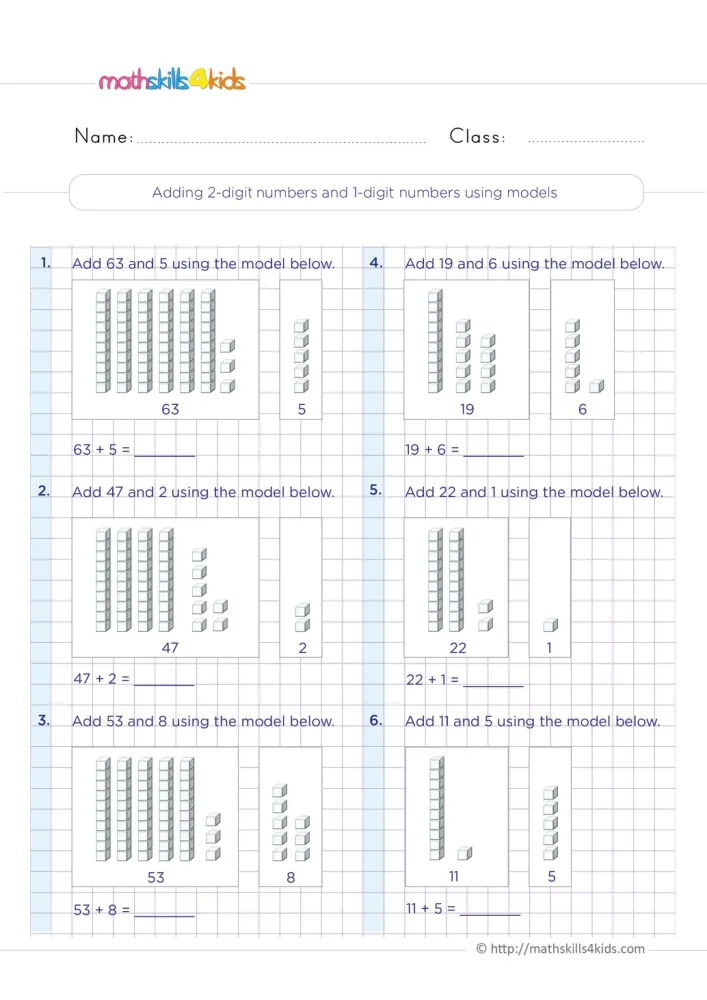
Download the worksheet: 2nd Grade Rods and Cubes Addition Worksheet: Add a One-Digit Number
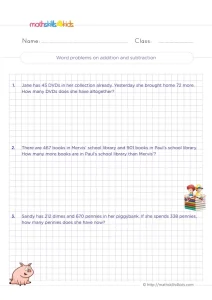 Worksheet3rd Grade Addition and Subtraction Problems: 3 Stories
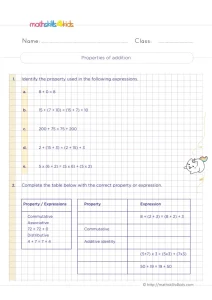 Worksheet3rd Grade Addition Properties Worksheet: Commutative, Associative, Identity
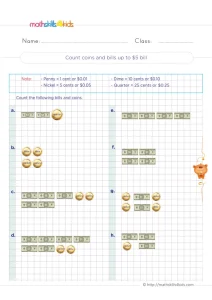 Worksheet3rd Grade Count Coins and Bills Worksheet: 8 Money Totals
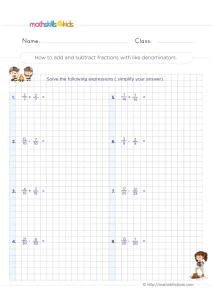 Worksheet3rd Grade Adding and Subtracting Like Fractions Worksheet: Eight Sums
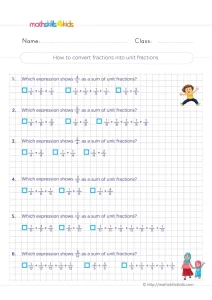 Worksheet3rd Grade Writing Fractions as Unit Fraction Sums Worksheet: Tick One
A few related activities
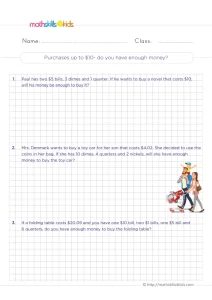 Three shopping stories with bills and coins. Children count the money, compare it with the price and decide…See the activity3rd Grade Two-Step Multiply and Divide Problems: 3 Stories
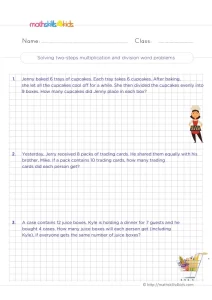 Three stories about cupcakes, trading cards and juice boxes. Your child multiplies to find a total, then divides…See the activity3rd Grade Cups, Pints and Gallons Worksheet
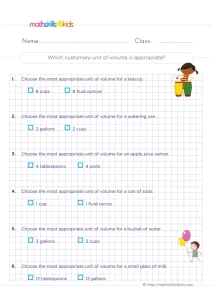 Six everyday containers, from a teacup to a bucket of water. Your child ticks the more sensible unit…See the activity
