Inherited Traits and the Environment
Why does a puppy look like its parents, but not exactly? Why is a flamingo pink? Some traits come from parents, others from the environment or from what we learn. Let’s find out how to tell them apart.
This lesson takes about 10 minutes. You can take a break after each part.
Before you start
Learning objectives
- I can explain that young animals and plants inherit traits from their parents, and that traits vary within a family.
- I can give examples of traits changed by the environment: light, food, exercise.
- I can tell an inherited trait from an acquired one.
Traits passed on by parents
Like their parents, but not exactly
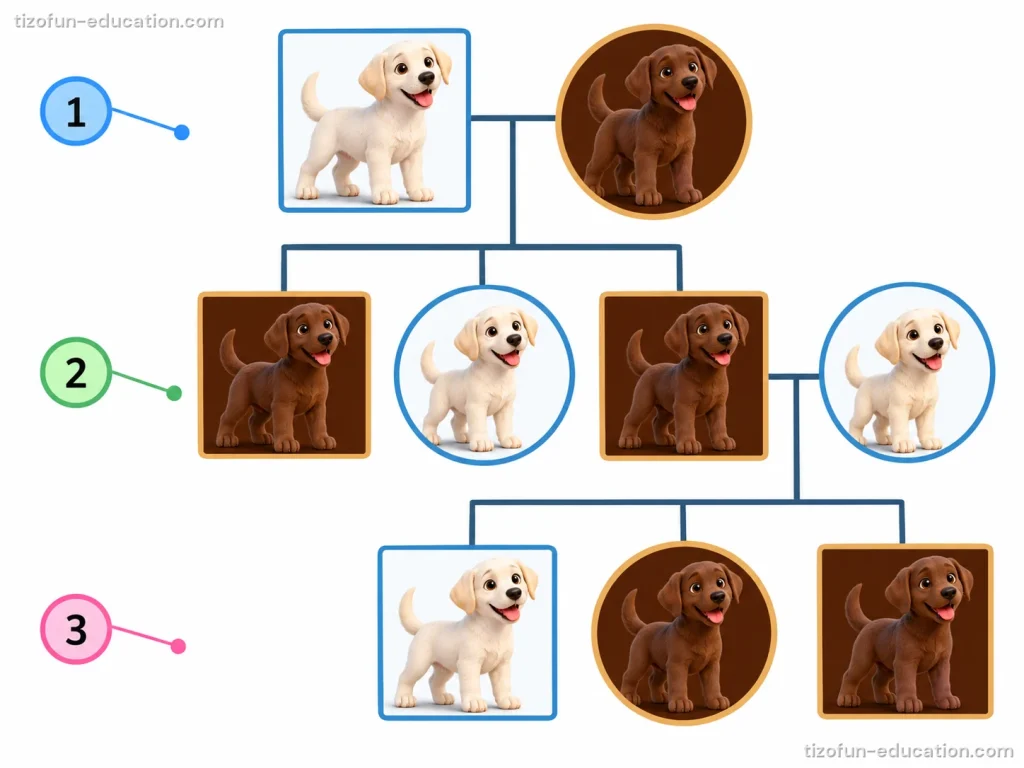
A trait is a feature of a living thing: fur color, eye color, ear shape. Many traits are inherited: parents pass them on to their young.
But the young are not exact copies: brothers and sisters can look different.
Loading the questions…
The environment can change traits
Food, light and exercise
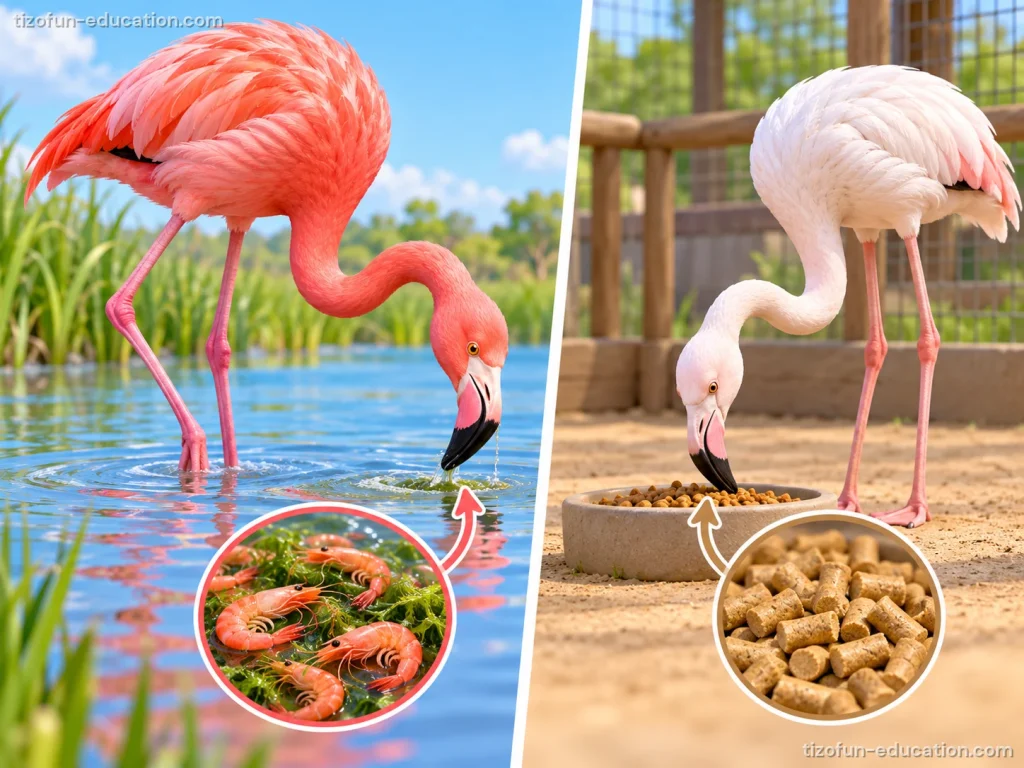
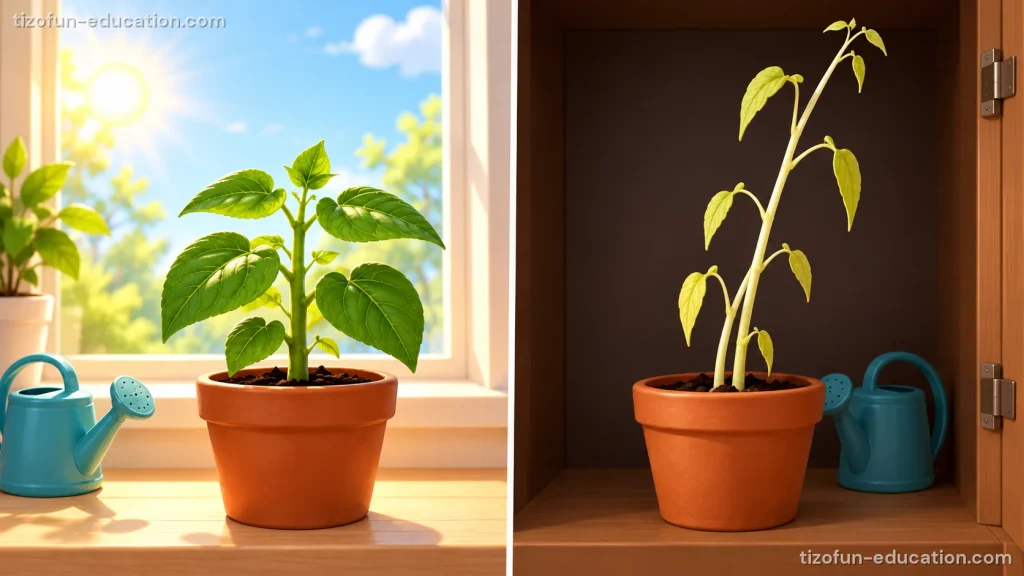
Some traits also depend on the environment: what a living thing eats, how much light it gets, how much it moves.
A flamingo is pink because it eats shrimp. A plant kept in the dark grows pale and thin.
Loading the questions…
Inherited or acquired?
Born with it, or gained along the way
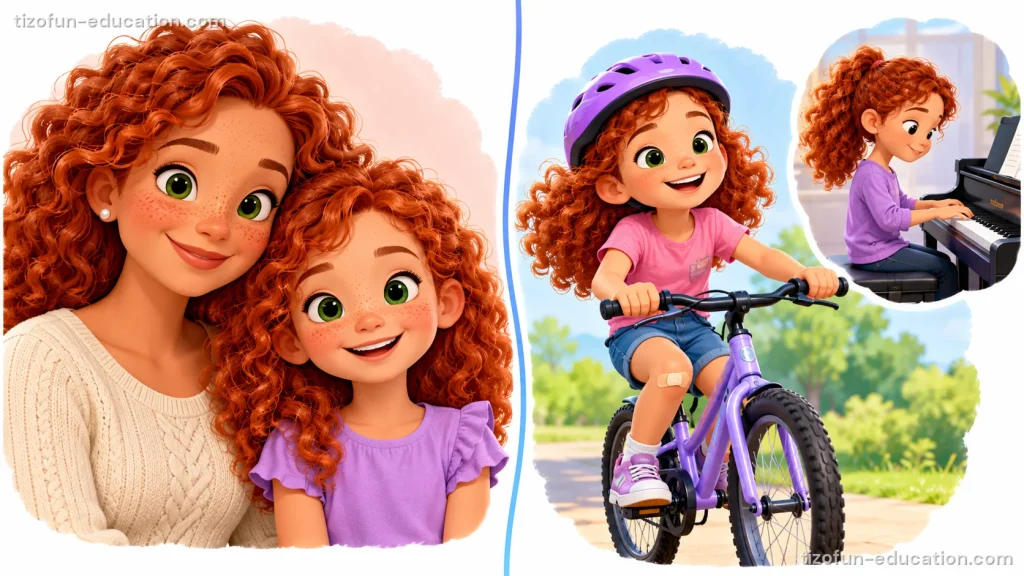
An inherited trait is there from birth, like hair color.
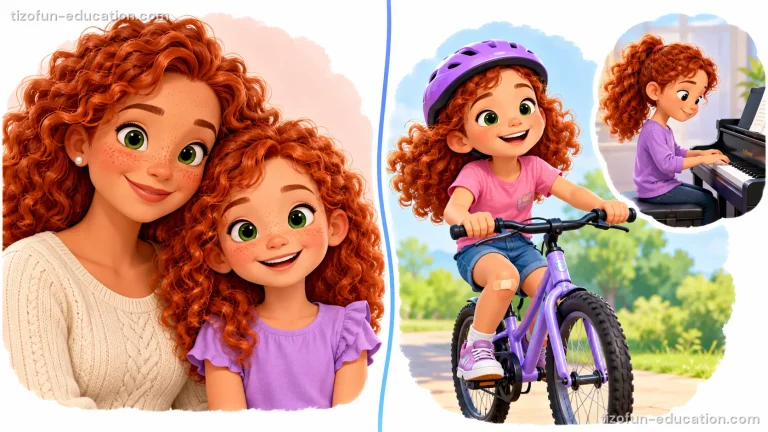
An acquired trait comes during life: a skill you learn, like riding a bike, or a scar from a fall. Acquired traits are not passed on to children.
Loading the questions…
Review game
Final assessment
To master the lesson, you need at least 60% correct answers.
Loading the assessment…
Summary
- A trait is a feature of a living thing, like fur color or ear shape.
- Many traits are inherited: young look like their parents, but traits vary within a family.
- The environment (food, light, exercise) can change some traits: a flamingo’s color, a plant’s growth, a dog’s weight.
- Acquired traits, like a skill or a scar, come during life and are not passed on.
A few related activities
 LessonFossils and Earth’s PastA sea shell on top of a mountain? A footprint in a rock? Fossils are clues left by…See the activity
 LessonMagnets: Pull, Push and What They AttractA note held on the fridge, a cabinet door that clicks shut, a machine that sorts cans: magnets…See the activity
 LessonWeather and ClimateSunny, rainy, windy… How do scientists measure the weather? And how do they know what weather to expect…See the activity
