Kindergarten Fewer Objects Worksheet: Moons, Ants and Suns
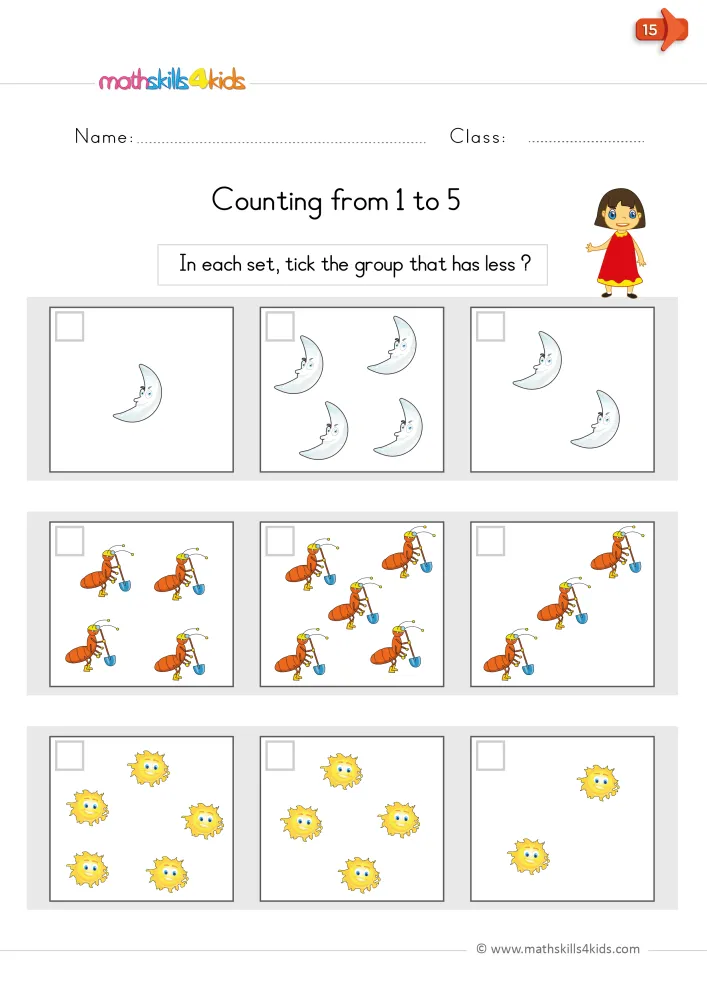
Pour two piles of raisins, one bunched up and one spread out, and ask which has fewer: many five-year-olds point to the small-looking pile, even when it holds more. This kindergarten fewer objects worksheet puts that judgment to work. Three rows of boxes hold smiling crescent moons, ants with shovels and round suns. In each row, your child compares three groups and ticks the one with the fewest. The PDF has two pages: the worksheet and a solution page with the ticks marked.
Why "fewer" is harder than "more"
Children use the word "more" long before "fewer", because they ask for more juice, more time and more stories every day. Fewer is rarer in daily talk, so this page gives it a job.
There are two ways to answer. One is estimating at a glance, which works well in the moon row, where a single moon stands against four. The other is counting, which you need when the groups are close.
That second case matters most. Spread-out objects look like more, because they fill the box. So a child who learns to count before judging is comparing sets by number, not by space. This is an early step toward what teachers call conservation of number. Count, then decide.
At the table: the row of ants
Begin with the moons. Ask, "Which box has the fewest moons?" Most children see it straight away.
The ant row is the real test. The three ants climb in a long diagonal line across their box, while the four ants sit in a tidy square. As a result, the three can look like a lot. If your child ticks the square, do not correct. Instead, say, "Let's count each box. Touch every ant once." Then ask, "Which number is smaller?"
The suns ask for care as well, because five and four look alike at first. Here the two suns are easy to spot, so it is a good place to let your child explain their choice.
Finally, check the ticks with the answer key together.
Raisins, spoons and a hungry caterpillar
Small quantities are everywhere at home. At snack time, make two little piles of raisins or crackers and ask, "Which pile has fewer?" Then spread one pile out and ask again. Same raisins.
When you set the table, hold up two spoons in one hand and three forks in the other, and ask which hand holds fewer. Also ask your child to say the words more and fewer in a full sentence.
"The Very Hungry Caterpillar" by Eric Carle works nicely after this sheet. Each day the caterpillar eats a different number of fruits, so you can point to two days and ask which one had fewer. The book also has a moon and a sun, like the page.
When you finish, praise the method: "You counted the ants before you chose. That was smart checking."
About this kindergarten fewer objects worksheet and its answer key
Download the worksheet: Kindergarten Fewer Objects Worksheet: Moons, Ants and Suns
 Worksheet2nd Grade Estimating Objects Worksheet: Squares, Circles, Chairs and Ticks
 Worksheet1st Grade Reading Tally Charts Worksheet: Flowers, Plush Toys and Baby Animals
 Worksheet1st Grade Flip, Slide and Turn Worksheet: Tick the Move for Each Pair
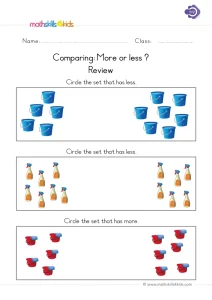 Worksheet1st Grade More or Fewer Review Worksheet: Circle the Set
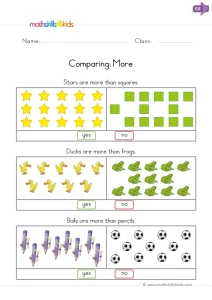 WorksheetKindergarten More Than Worksheet: True or Not? Count Two Sets and Decide
A few related activities
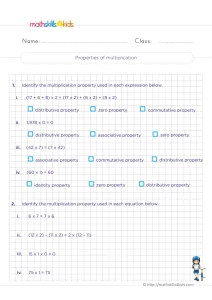 Tick the right property for four equations, from 1,978 x 0 = 0 to (60 x 1) =…See the activity3rd Grade 8 Times Table Worksheet: 12 Column Facts and a Doubling Trick
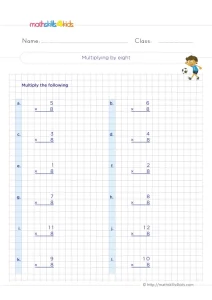 Twelve column facts times 8, from 1 × 8 to 12 × 8, in a mixed order. Double…See the activity3rd Grade Addition and Subtraction Problems: 3 Stories
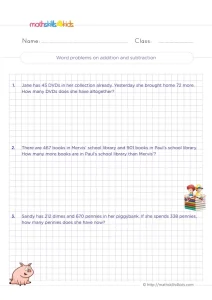 Three word problems about DVDs, school library books and pennies in a piggy bank. Your child adds or…See the activity
