Are There Enough? Match Taxis, Balls and Sharpeners, Then Say Yes or No
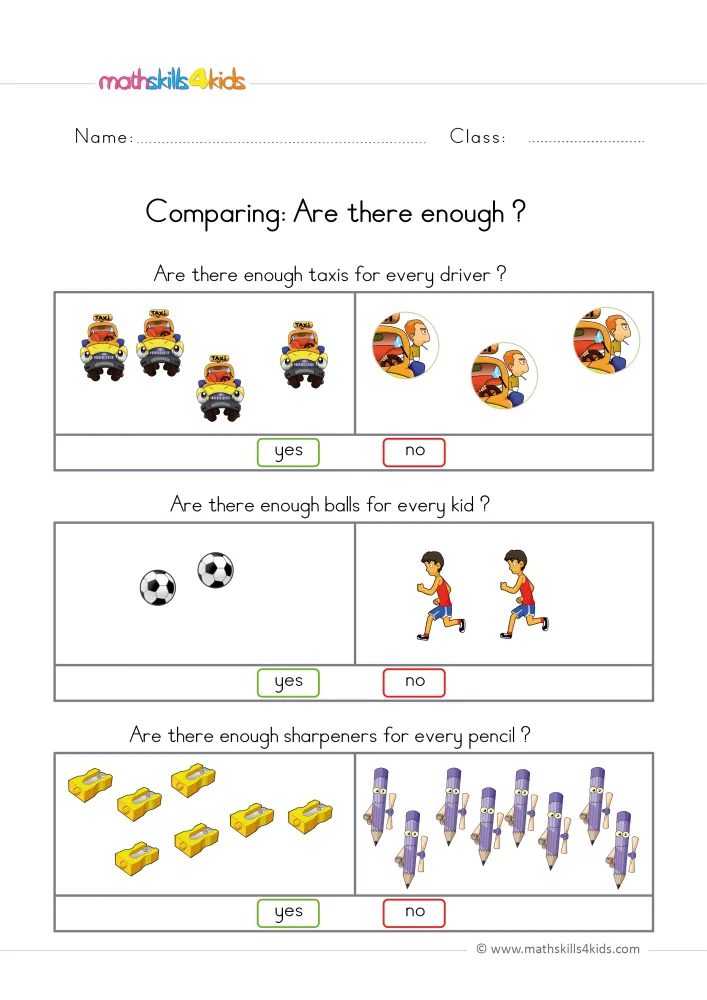
Watch a four-year-old hand out cups at a birthday table: they know at once when one guest has no cup, even if they cannot yet count the guests. This Pre-K are there enough comparing worksheet starts from that instinct. Each box asks one question. Are there enough taxis for every driver? Enough balls for every kid? Then, enough sharpeners for every pencil? Your child pairs the pictures up, looks for anyone left waiting, and circles a green yes or a red no.
Pairs first, numbers later
Long before children can count to eight with confidence, they can pair things up. Teachers call this one-to-one matching: one cup for one guest, one taxi for one driver. It is the root of comparing quantities, because it answers "Is there enough?" without any counting at all.
This page also hides a subtle idea. In the first box, four taxis wait for three drivers, so one taxi stays empty. The answer is still yes. Enough does not mean the same; it means nobody is left out.
So the line down the middle of each box matters. It keeps the two groups apart, while your child draws the links across it.
Who is still waiting?
Give your child a pencil and start with the taxis. Ask, "Which driver will get this taxi?" and let them draw a line from one car to one face. Then move to the soccer balls: two balls, two running boys, a quick match.
The likely slip comes in the first box. Some children see the spare taxi and circle no, because the groups are not equal. Do not correct it. Instead, point to each driver and ask, "Does this driver have a taxi?" After three yeses, they usually change the answer on their own.
The last box is harder. The sharpeners lie all over the box, so a child may link the same one twice. However, a tap on each sharpener as it gets its line helps. Finally ask, "Is any pencil still waiting?" That lonely pencil turns yes or no questions into something they can see.
One spoon each: matching at home
Setting the table is the same task with real objects. Give your child the spoons and ask them to put one at each plate. Next, take a spoon away while they are not looking, and ask, "Is there enough for everyone now?" They will check by touching each plate.
At the front door, line up the shoes and ask whether every coat has its pair of boots. Also, toy cars and small figures can replay the taxi box on the carpet. These small checks make enough or not enough part of the day.
For a game, try Memory: turning cards over to find pairs is matching in its purest form, and it rewards patience. These habits grow early math quietly. When you reach the end of the page, name what your child did: "You checked every pencil, one by one. That's careful matching."
About this Pre-K are there enough comparing worksheet with three sets
Download the worksheet: Are There Enough? Match Taxis, Balls and Sharpeners, Then Say Yes or No
 Worksheet2nd Grade Estimating Objects Worksheet: Squares, Circles, Chairs and Ticks
 Worksheet1st Grade Reading Tally Charts Worksheet: Flowers, Plush Toys and Baby Animals
 Worksheet1st Grade More or Fewer Review Worksheet: Circle the Set
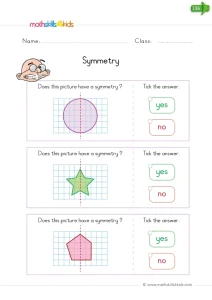 WorksheetKindergarten Line of Symmetry Worksheet: Circle, Star and Pentagon on a Grid
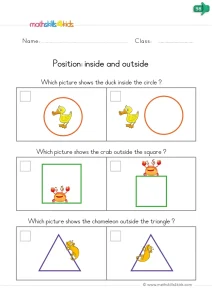 WorksheetKindergarten Inside and Outside Shapes Worksheet: Tick the Right Picture
A few related activities
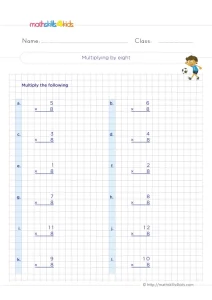 Twelve column facts times 8, from 1 × 8 to 12 × 8, in a mixed order. Double…See the activityGrade 1 Math — How many are left?Grade 1 math review game (ages 6–7): how many are left?. Instructions are read aloud, and every answer…See the activity3rd Grade Multiplication Properties Worksheet: Zero, Identity, Commutative
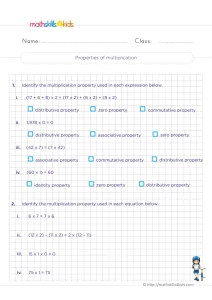 Tick the right property for four equations, from 1,978 x 0 = 0 to (60 x 1) =…See the activity
